
Coaching philosophies are based on the ways in which sports coaches motivate and influence their clients. They have specific goals for each client. They believe that each client can reach their maximum potential. Some examples of coaching philosophies include Laissez-faire, Autocratic, and Holistic.
Coaching with autocratic principles
Autocratic coaching philosophies place an extreme amount of power and responsibility in the hands of the coach, and they often create a division between the coach and team. While autocratic coach can create tension, it's a useful tool in stressful situations and when a coach is the only one qualified for the job.
An autocratic coaching environment places the coach in complete control, telling athletes what they should do and then expecting them to follow through. The coach encourages discipline, structure, and team members to give little input. Consequently, the coach may not get much feedback from the athletes, which affects morale and performance.
A key difference between autocratic leadership and other coaching styles lies in how each style reacts to pressure. Autocratic leaders can make snap decisions, without consulting their team. They also closely monitor employee performance. They can quickly identify and solve problems. They are also capable of focusing on the coordination of workflows and specific responsibilities.
Laissez-faire coaching
Laissez faire coaching is an approach to coaching that is hands-off and delegative. The coach is not a micromanager but a consultant and adviser to the players. This coaching style is less hands-on than others, but it has some advantages, such as a higher team morale and quicker decision making.
Laissez-faire leaders are most effective when they give their employees the tools they need to do their jobs well. They don't micromanage every detail but let workers make big decisions and set goals. The results can be excellent, but laissez-faire leaders are often perceived as unengaged and detached. This approach can also cause a lackluster group cohesion.
Laissez-faire leaders often hire highly skilled managers who are capable of handling any task. They give their employees full control over their decisions and encourage their employees not to limit their job responsibilities. This type of leadership is more appropriate for highly-skilled workers.

Holistic coaching
A holistic coach strives to create an environment that encourages team members to reach their goals. They believe that everything is connected and that each member of the system contributes. This approach helps employees feel important. They can also get holistic coaches to help them make positive lifestyle changes.
A holistic coach can have a unique understanding about the cultural contexts in which people live. He or she can better understand their own uniqueness as well the differences of their team members. Holistic coaching can help to build a stronger connection between the coach, the employee, as well as highlight individual stumbling block.
Because it encourages open communication and relationship building, a holistic approach to coaching is the best for mature players. This style of coaching requires more effort and time. However, it allows for flexibility in coaching because it can be used with different team types.
FAQ
What credentials do life coaches need?
A life coach must have an understanding of psychology, motivation, and human nature. They should also be able to see how people think and act, and understand what motivates them.
A successful life coach must also possess counseling, listening, and communication skills. Additionally, they must have the ability to motivate clients.
Finally, a successful life coach must be flexible enough to adapt his or her approach when necessary.
What exactly does a life coach do?
A life coach can help you live a happier, more fulfilling, and healthier life by helping you to focus on the things that matter most to you. They can help you set goals and create strategies to achieve them. They also provide support and guidance when times are tough.
They will be there for you when you need them.
A life coach won't tell you what you should do. Instead, they'll help you make better choices and improve your relationships.
Do I have to make a payment upfront?
Yes, you don't need to pay until your final bill arrives.
Many life coaches do not charge an upfront fee, which makes it simple to benefit from their expertise without having to spend any money.
You will need to agree to a price if you hire a coach before you start your relationship.
What are the responsibilities and responsibilities of a coach for life?
A life coach assists people in achieving their goals through education and support on topics such as nutrition, health, fitness, work/life balances, relationships, career advancement, and more.
Life coaches should help clients have positive attitudes toward self-improvement, and set realistic goals for success.
A life coach is there to support you and encourage you. While they may not have all the answers, they will be able to help you find them.
They are here to help you make better decisions and take action to reach your goals.
What can I expect from my first meeting with a coach in life?
The typical time it takes to meet with a Life Coaching Coach is approximately one hour. Your first appointment with a Life Coach will last approximately one hour.
Your coach will then ask you questions about your situation and what you would like to do differently. This information will help them tailor their approach to suit you.
You might be asked to complete a questionnaire so that your coach can clearly understand who you are and what's important to you.
Your coach will detail the services they provide and the fees. You will jointly decide which services would be most suitable for you.
Statistics
- Life coaches rank in the 95th percentile of careers for satisfaction scores. (careerexplorer.com)
- People with healthy relationships have better health outcomes, are more likely to engage in healthy behaviors, and have a decreased mortality risk.1 (verywellmind.com)
- According to relationship researcher John Gottman, happy couples have a ratio of 5 positive interactions or feelings for every 1 negative interaction or feeling. (amherst.edu)
- 80 percent of respondents said self-confidence improved, 73 percent said relationships improved, 72 percent had better communication skills, and 67 percent said they balanced work and life better. (leaders.com)
- Needing to be 100% positive and committed for every client regardless of what is happening in your own personal life (careerexplorer.com)
External Links
How To
What are the problems that life coaches help solve?
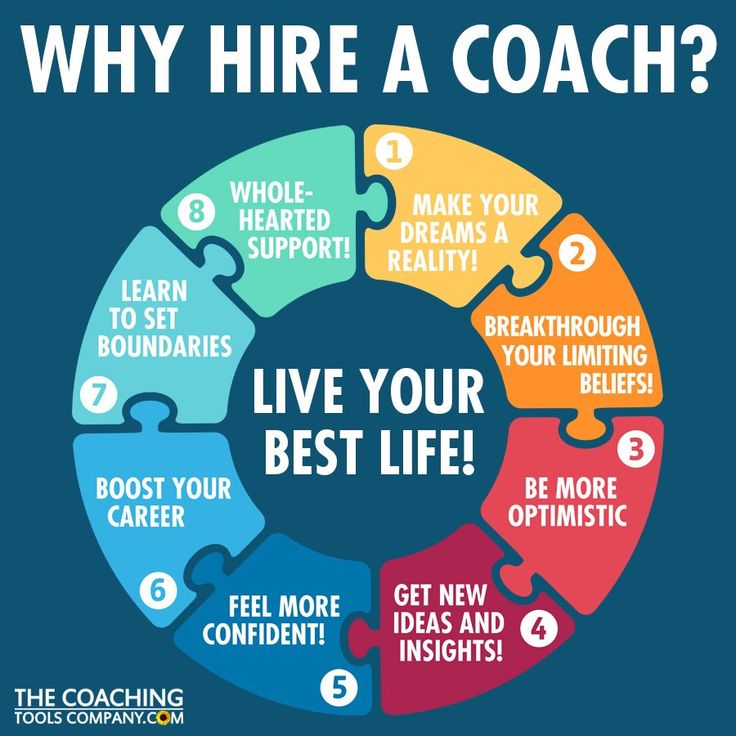
Life coaching is a great way for people to address personal issues such as stress, anxiety, depression, stress, relationships difficulties, career problems, self-doubt etc. It assists clients in identifying their goals and developing strategies to reach them.
Clients benefit from life coaching because they learn how to:
-
Identify what is important for them
-
Set goals
-
Better understanding of oneself
-
Build positive habits
-
Manage stress
-
Concentrate on what they want
-
Find solutions for your problems
-
Learn new skills
-
Change negative patterns
-
Enjoy more fun
-
Be more productive
-
You can take control of your life
-
Overcome any obstacles
-
Develop good communication skills
-
Increase your relationships
-
Effectively deal with difficult situations
-
Live a happier, healthier life
-
Feel more confident
-
Make rational decisions
-
Experience meaningful moments
-
Attain greater success levels
-
Spiritual growth
-
Enhance their physical health
-
Increase your longevity
-
Reduce the risk factors that lead to illness
-
You can become emotionally more powerful
-
Get insight into their behavior
-
Stop committing bad behaviors
-
You can achieve balance between work/play
-
Enjoy life more
-
Enjoy more joy
-
Live a richer life
-
Be more successful
-
Go forward
-
Learn how to better cope
-
Mental clarity can be improved
-
Heal from past trauma
-
Turn negatives into positives
-
Transform limiting beliefs